



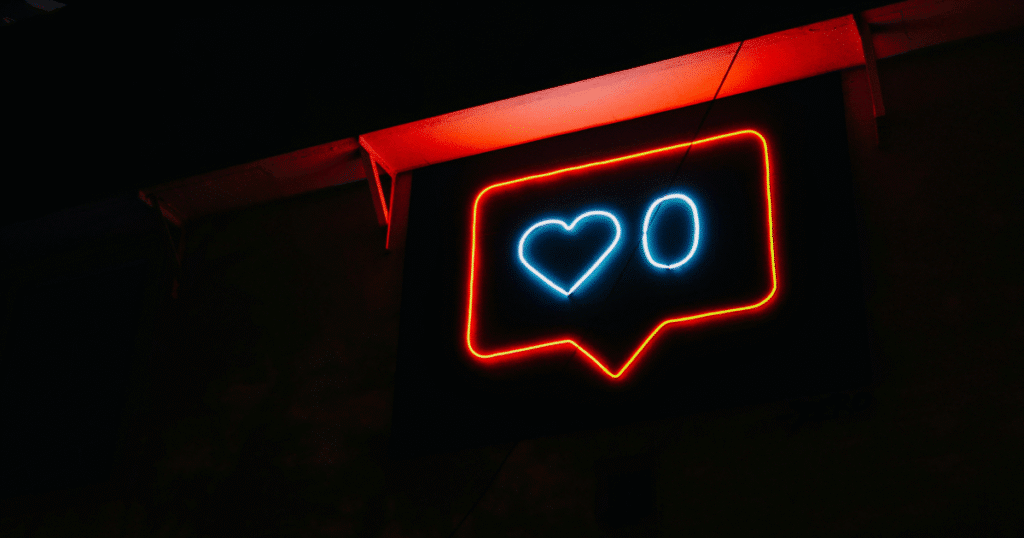
You post something you’re proud of – maybe a photo, a caption, or a story that feels authentic – yet the usual likes, comments, and reach seem to vanish overnight. No new followers. Fewer views. Silence where there used to be interaction. You might start to wonder: Did I do something wrong?
If this sounds familiar, you’re not alone. Many users across Instagram, TikTok, X (formerly Twitter), and even LinkedIn have noticed sudden drops in engagement without any clear explanation. It’s a frustrating, confusing experience that can leave you questioning your creativity, relevance, or even your worth online. But often, it’s not personal – it’s algorithmic.
That’s where the term “shadowbanned” comes in. Understanding what shadowbanned means on social media helps users recognize the signs of algorithmic suppression, distinguish between normal fluctuations and actual visibility limits, and take meaningful steps to recover their reach.
This guide breaks down the shadowban definition, explores its impact on social media visibility, and shares practical, compassionate strategies to help you regain confidence and clarity in the ever-changing world of content algorithms.
Shadowban Definition and How It Differs Across Social Platforms
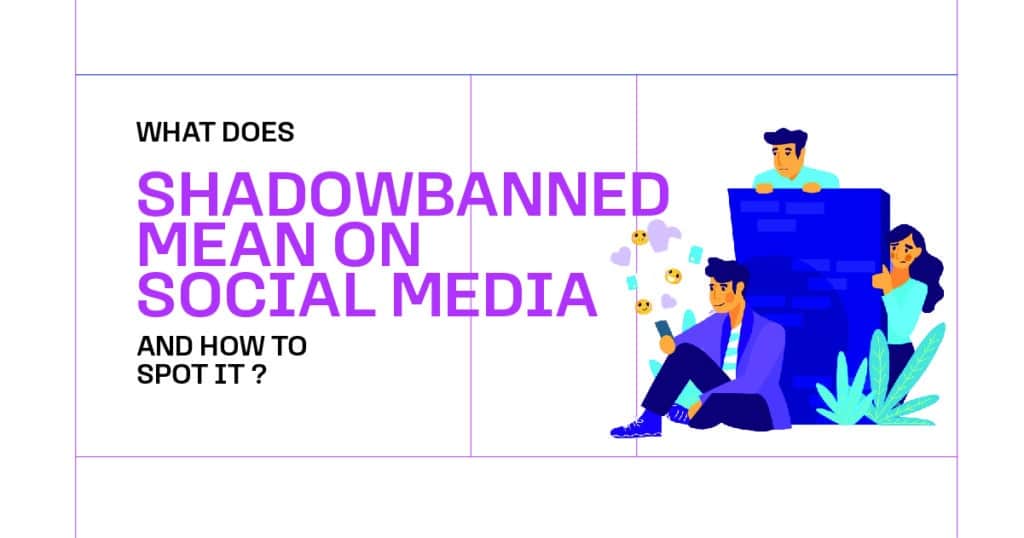
The term shadowban refers to a form of algorithmic suppression in which a social media platform limits the visibility of a user’s posts without sending a formal warning or notification. In simpler terms, your content is still there – it’s just not being shown to as many people.
Unlike full bans, which block access completely, a shadowban operates quietly. You may continue posting and engaging, unaware that your audience can no longer see your work in feeds, hashtags, or explore pages.
However, each platform defines and handles shadowbanning differently:
- Instagram: May restrict reach in hashtags or explore results.
- TikTok: Limits distribution if content is flagged for policy or safety reasons.
- X (Twitter): Temporarily hides replies or reduces visibility in search.
- YouTube: Can deprioritize content in recommendations.
- LinkedIn: May reduce post reach for repeated guideline violations.
While most companies deny actively “shadowbanning” users, they do confirm the use of moderation systems that limit certain types of content.
According to the Bloomhouse Marketing guide, this kind of subtle visibility control often stems from automated systems designed to protect users from misinformation or policy breaches – but it can also unintentionally suppress authentic voices, especially from smaller creators or marginalized communities.
How Major Platforms Handle Shadowbanning
| Platform | Possible Shadowban Indicators | Duration | Resolution Steps |
| Decline in reach or hashtag views | Temporary | Audit hashtags, pause posting | |
| TikTok | Low video reach despite engagement | 2–14 days | Review Community Guidelines |
| X (Twitter) | Replies hidden or search visibility loss | 24–48 hours | Avoid repetitive behavior |
| YouTube | Fewer recommendations | Ongoing | Improve metadata, verify compliance |
| Engagement drops after multiple posts | Temporary | Diversify post formats |
Signs of Reduced Reach, Hidden Posts, and Falling Social Media Visibility
Recognizing a shadowban starts with noticing patterns – subtle yet persistent changes in your account’s performance. A single low-performing post doesn’t indicate a ban, but several signs together may suggest algorithmic restrictions.
Common symptoms include:
- Sudden engagement decline (likes, comments, shares).
- Fewer impressions despite consistent posting.
- Followers are reporting that they no longer see your posts.
- Hashtag searches show your post only to you.
- Analytics showing unexplained dips in reach.
If these symptoms appear across multiple posts or platforms, it’s likely a social media visibility issue linked to how your content is being distributed – not your quality or audience interest.
According to social media studies from Pew Research Center, content moderation systems increasingly use AI to flag behavior patterns rather than individual posts. This means even unintentional actions, such as posting similar captions repeatedly or exceeding daily engagement limits, can trigger reduced exposure.
Algorithmic Suppression Signals and How They Impact Engagement
Algorithmic suppression happens when a platform’s recommendation engine deprioritizes content that appears spammy, repetitive, or controversial – often unintentionally. Unlike human moderators, algorithms rely on signals that can misinterpret creativity as rule-breaking.
Common triggers for algorithmic suppression include:
- Rapid posting or repetitive hashtags.
- Overuse of engagement tactics (“Follow for follow,” mass tagging).
- Reported content or flagged keywords.
- Links redirecting outside the platform.
- Copyrighted media or misleading metadata.
When suppression occurs, your content stops appearing on discovery surfaces like Explore or For You pages, limiting organic reach. This doesn’t mean your account is banned – only that the algorithm has temporarily decided to “pause” its promotion of your material.
Engagement Decline Metrics That Indicate a Shadowban
Data can tell a powerful story. Monitoring your engagement decline helps determine whether a shadowban or normal algorithmic fluctuation is happening.
Metrics to analyze:
- Impressions: Sudden drops signal reach suppression.
- Profile Visits: A decrease often follows hidden posts.
- Follower Growth: Plateauing growth may mean content isn’t surfacing.
- Click-Through Rates: Lower rates can reflect fewer post appearances.
- Engagement Ratio: Falling likes or comments relative to views.
Helpful tip: Compare your current analytics to a previous 30-day period. If multiple engagement categories decline sharply with no change in posting frequency or content type, a shadowban may be at play.
Engagement Metrics and What They Reveal
| Metric | Normal Variance | Shadowban Indicator | Possible Action |
| Reach | Fluctuates ±15% | Drops >50% | Pause posting for 48 hours |
| Engagement Rate | 1–5% typical | <1% consistently | Review content compliance |
| Hashtag Views | Slight variation | Zero visibility | Rotate hashtags |
| Followers | Gradual growth | Sudden stall | Engage authentically |
| Story Views | Small decline | Cut by half | Repost after 24 hours |
Understanding these signals prevents overreaction and helps creators take calm, data-driven steps toward restoring performance.
Account Restrictions Versus Bans and What Each Looks Like
It’s important to distinguish between a shadowban, a restriction, and a full ban – terms often confused but vastly different in consequence.
1. Shadowban:
- Content visibility is limited but account functional.
- Temporary and often automated.
- Usually triggered by algorithmic filters or flagged keywords.
2. Account Restriction:
Specific features (like posting or commenting) temporarily disabled.
Users may receive an alert or notification.
Common on Instagram and TikTok for minor policy issues.
3. Full Ban or Suspension:
Account inaccessible or deleted.
Requires appeal or verification.
Generally due to repeated violations or fraudulent activity.
If you suspect a restriction or shadowban, remain patient and avoid drastic changes – such as deleting posts or mass unfollowing users – which can further flag your account.
Content Moderation Triggers That Can Lead to a Shadowban
Most shadowbans result from content moderation systems that rely on AI and community reporting. These systems evaluate billions of posts daily, often erring on the side of caution when something seems questionable.
Potential moderation triggers include:
- Using copyrighted images or music.
- Discussing sensitive or flagged topics.
- Posting too frequently within short timeframes.
- Excessive tagging or hashtag repetition.
- Linking to external pages repeatedly.
Even harmless posts can trigger filters when they match automated risk signals. The key is to balance creativity with compliance – understanding that moderation isn’t meant to silence you, but to keep platforms safe and sustainable.
Steps to Assess a Shadowban and Actions to Regain Visibility
If you suspect you’re shadowbanned, resist panic. Algorithms evolve constantly, and recovery is possible with mindful action and patience.
Here’s a step-by-step way to respond:
- Audit your activity: Review recent posts, hashtags, and interactions for potential flags.
- Pause posting: Take a 48–72-hour break to reset algorithmic patterns.
- Engage authentically: Comment and reply genuinely rather than in bulk.
- Diversify content: Experiment with formats like stories, reels, or carousels.
- Contact support: Use appeal forms or help centers to report issues.
Preventive practices going forward:
- Follow platform guidelines regularly.
- Avoid third-party automation tools.
- Rotate hashtags and posting times.
- Keep captions natural and avoid banned words.
- Prioritize quality over frequency.
According to Bloomhouse Marketing, consistency and authenticity remain the strongest antidotes to shadowbanning – because algorithms reward organic connection over artificial growth tactics.
Every Post Deserves to Be Seen: Find Your Voice Again
It’s easy to feel discouraged when algorithms seem to work against you, but your creativity still matters. Being shadowbanned isn’t the end – it’s a temporary challenge, one that invites you to reconnect with your audience in deeper, more intentional ways. Focus on storytelling, authenticity, and patience, and your visibility will follow naturally.
If you’re seeking expert help navigating content algorithms, branding, or audience growth, visit Bloomhouse Marketing. Their experienced strategists specialize in helping creators and businesses grow with purpose, not pressure, ensuring your voice shines where it belongs: front and center.
FAQs
1. How do different social media platforms define shadowbans, and what variations exist in visibility and reach?
Each platform handles visibility restrictions differently. Instagram and TikTok limit content discovery, while X and YouTube reduce post visibility in search or recommendations. The effect feels similar – reduced engagement without explicit warnings.
2. What are the typical signs of hidden posts and reduced social media visibility that may indicate a shadowban?
Sudden engagement drops, missing hashtag appearances, or lower reach across multiple posts are common indicators. If followers confirm they can’t see your updates, it likely points to hidden post distribution.
3. How does algorithmic suppression affect user engagement, and what can signal its presence on your account?
Algorithmic suppression deprioritizes content based on flagged patterns or behaviors, leading to lower impressions and fewer interactions. Sharp, unexplained declines across engagement metrics often signal its presence.
4. Which engagement metrics should you monitor to detect a possible shadowban on your social media account?
Track reach, impressions, and follower growth over time. A steep, sustained decline – especially in hashtag or explore visibility – often suggests temporary suppression.
5. What distinguishes account restrictions from full bans, and how can you identify each on your social media profile?
Restrictions limit certain features, like commenting or posting, while full bans revoke access entirely. If you can still log in but notice reduced visibility, you’re likely dealing with a restriction, not a ban.