



A brand guideline is a documented set of standards that defines how your company presents itself visually and verbally across every customer touchpoint. The answer to “What are brand guidelines?” starts with this foundational role—serving as the single source of truth for anyone creating content, designing materials, or representing your organization. Without this framework, even small teams produce inconsistent messaging that erodes recognition and dilutes market position.
Most businesses understand they need brand identity standards but struggle with implementation. Guidelines sit unused in shared drives, teams bypass them for speed, and updates never happen. This gap between documentation and daily practice costs companies measurable revenue through weakened brand equity and confused audiences. The solution lies not in more comprehensive documents but in building systems teams actually reference and follow.
The Essential Components Every Brand Guideline Document Must Include
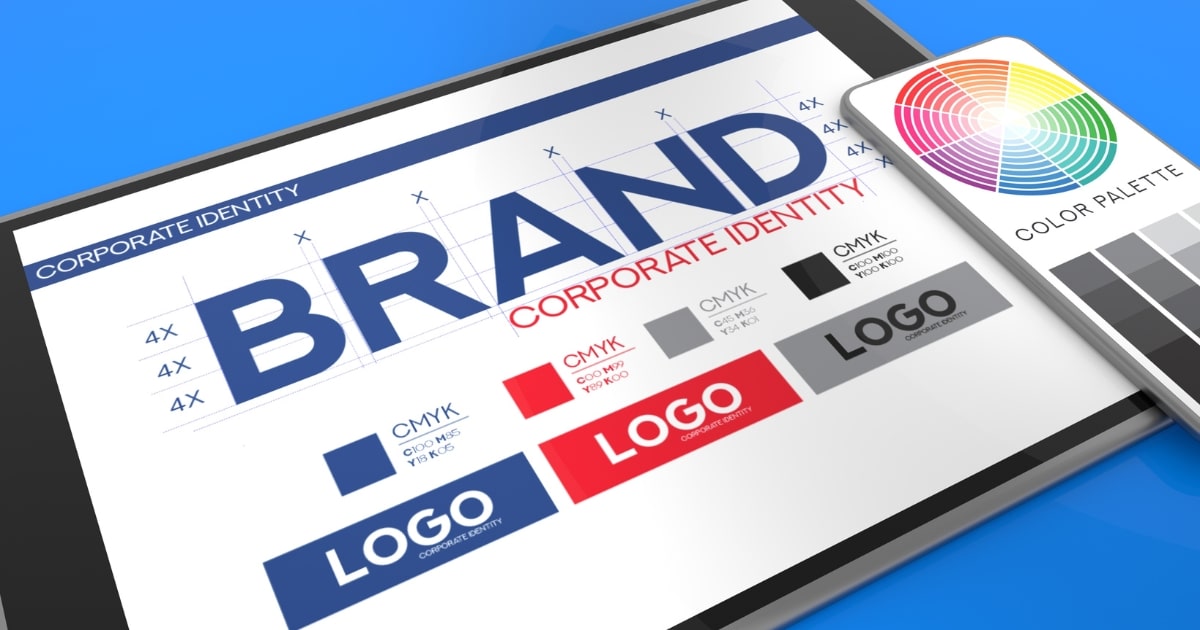
Brand style guide components form the architecture of consistent communication. Logo usage rules specify minimum sizes, clear space requirements, acceptable color variations, and prohibited alterations. Your color palette section documents primary and secondary colors with exact specifications—HEX codes for digital, CMYK for print, and Pantone numbers for specialty applications. These foundational visual standards answer the common question: what are brand guidelines supposed to include at minimum? Typography standards identify approved typefaces for headlines, body copy, and digital interfaces, including fallback options for systems where custom fonts aren’t available.
Voice and tone standards articulate how your brand sounds in writing—the vocabulary you use, sentence structure preferences, and how formality shifts across different contexts. A financial services firm maintains professional authority while a youth-focused brand adopts conversational energy, and these distinctions must be explicit.
The depth of your guidelines should match your operational reality. Comprehensive doesn’t mean complex—it means addressing the specific consistency challenges your team faces today, whether you’re a three-person startup or a 50-person company with multiple product lines.
| Business Stage | Essential Components | Typical Page Count |
|---|---|---|
| Startup (1-10 employees) | Logo usage, color palette, one typeface, brand voice overview | 8-12 pages |
| Growing Business (11-50 employees) | Full visual identity, messaging framework, imagery style, social media specs | 20-30 pages |
| Established Company (50+ employees) | Comprehensive standards, sub-brand architecture, channel specifications, vendor specs | 40-60 pages |
Why Most Brand Standards Fail and What Makes Teams Actually Use Them
Guidelines fail when they’re treated as a one-time deliverable rather than a working tool. Teams bypass documentation that’s difficult to navigate, overly restrictive without explaining rationale, or disconnected from their actual workflow.
Living brand guidelines vs static documents represents the fundamental shift needed for adoption. Living guidelines exist as accessible web-based resources that update in real time, include searchable content, and integrate with the tools your team uses daily.
- Creating guidelines without team input during development results in rules that conflict with practical needs and immediate rejection by the people who must follow them daily.
- Overcomplicating decisions with excessive rules when clear parameters would enable autonomous execution.
- Failing to provide actual asset files alongside usage rules, forcing designers to recreate elements or hunt through multiple systems for approved logos and templates.
- Never communicating updates when brand elements evolve, leaving teams uncertain whether they’re working with current standards or outdated specifications.
- Positioning guidelines as restrictive mandates rather than efficiency tools.
Why do companies need brand guidelines in the first place? Understanding this clarifies what makes them fail—when documentation doesn’t solve real coordination problems or prevent costly inconsistencies, teams ignore it.
Successful implementation starts with accessibility. Guidelines are only worth as much as your team’s ability to find and use them. Host guidelines where your team already works—whether that’s a company intranet, project management platform, or dedicated brand portal. Include downloadable asset packages for common needs: social media templates, presentation decks, email signatures. Build feedback loops so team members can flag confusion or request clarification, then update documentation based on real usage patterns.
How to Create Brand Guidelines That Scale With Your Growing Business
Before diving into creation, audit your current state to understand brand guidelines in your specific context. This audit reveals your specific pain points and helps prioritize which standards deliver immediate impact.
For businesses just establishing their identity, start with core visual elements. Secure final logo files in all necessary formats. Define your primary color palette with no more than three to five colors initially—expansion can happen later. Select one typeface for digital use and one for print if budget requires limitations. Write three paragraphs describing your brand voice with concrete examples of preferred and avoided language.
The Five-Minute Brand Consistency Audit
Pull up your website homepage, your most recent social media post, and your latest sales presentation. Place them side by side. Do they look like they come from the same company? Check logo treatment, color usage, typography, image style, and tone of voice. If you spot three or more inconsistencies, your team needs clearer standards immediately.
Building Guidelines in Phases
Growing companies benefit from phased development. Start with visual identity, expand into messaging architecture, then add channel-specific applications as your marketing presence grows.
| Development Phase | Key Deliverables | Timeline |
|---|---|---|
| Foundation | Logo standards, color system, typography, basic voice guidelines | 2-3 weeks |
| Expansion | Imagery style, messaging framework, template library, icon system | 4-6 weeks |
| Refinement | Channel-specific guidelines, vendor specifications, sub-brand architecture | 6-8 weeks |
| Maintenance | Quarterly reviews, update cycles, team training, asset management | Ongoing |
Budget considerations matter for small business planning. Basic brand guideline examples for small businesses show that effective documentation doesn’t require five-figure investments. Allocate resources to professional design for your core visual identity, then handle documentation internally using the brand standards document template approach. Many businesses successfully create initial guidelines for $2,000 to $5,000, then refine over time as revenue grows.
Implementing Brand Consistency Best Practices
Brand consistency best practices extend beyond documentation into organizational behavior. Schedule quarterly brand reviews where the team examines recent work against established standards. These reviews reinforce the core purpose: recognizable, trustworthy presentation across every touchpoint. Create approval workflows that catch inconsistencies before publication rather than after customer exposure. Develop onboarding protocols that introduce new team members and contractors to your guidelines within their first week. Consistency becomes cultural when systems support it rather than relying on individual memory or initiative.
From Brand Chaos to Brand Clarity at BloomHouse Marketing
Establishing clear brand identity standards transforms your market presence, but creating guidelines that teams actually use requires specialized expertise. BloomHouse Marketing builds implementation-focused brand guidelines for growing businesses that need practical tools, not shelf-ware. Whether you’re documenting an existing identity or building guidelines alongside a rebrand, our team delivers accessible frameworks your people will reference daily. Contact BloomHouse Marketing today to discuss how we can strengthen your brand presence through guidelines built for real-world use.
FAQs
These common questions address the practical concerns businesses face when developing and implementing brand standards. Each answer provides actionable guidance based on real-world application challenges.
1. What’s the difference between brand guidelines and a brand style guide?
The terms are often used interchangeably, though some organizations use “brand guidelines” to refer to comprehensive standards covering visual identity, messaging, and strategy, while “brand style guide” focuses specifically on visual elements like logos, colors, and typography. In practice, both documents serve the same purpose of maintaining consistency. The label matters less than ensuring your documentation addresses the specific consistency challenges your team faces across all brand touchpoints.
2. How long should brand guidelines be for a small business?
Small businesses typically need 10 to 15 pages covering logo usage, color palette, typography, basic imagery direction, and voice overview. Shorter guidelines see higher adoption rates because team members can quickly find needed information. Focus on the standards that prevent your most common inconsistencies rather than trying to address every hypothetical scenario. You can always expand documentation as your team grows and your brand presence becomes more complex.
3. Do I need to hire a designer to create brand guidelines?
Professional design expertise ensures your guidelines are both visually polished and strategically sound, particularly for the core identity elements. However, many small businesses successfully document existing brand standards internally using templates and clear writing. The critical factor is accuracy and usability—your team must be able to find and apply the information easily. If you have strong brand assets but need help organizing them into accessible documentation, a designer can provide templates and structure while you supply the content.
4. How often should brand guidelines be updated?
Review your guidelines every six months and update whenever you make significant brand changes like logo refinements, expanded color palettes, or new product lines. Minor updates addressing team questions or clarifying confusing sections can happen quarterly. Living digital guidelines allow for continuous improvement without requiring full republication. The goal is keeping documentation current with how your brand actually appears in market, not preserving historical decisions that no longer serve your business.
5. Can brand guidelines help with marketing consistency across multiple platforms?
Guidelines are essential for multi-platform consistency because each channel has unique technical requirements and audience expectations. Effective documentation includes platform-specific applications showing how core brand elements adapt to Instagram, LinkedIn, email, print advertising, and other contexts while maintaining recognizable identity. This prevents the common problem where your brand looks completely different on social media versus your website versus printed materials, which confuses audiences and weakens brand recall.