




A backlink is a hyperlink from one website to another. When another site links to your content, you’ve earned one. Search engines treat these links as votes of confidence — signals that your content is credible, relevant, and worth sharing. The more quality backlinks your site earns, the more authority it builds in the eyes of Google and other search engines. For business owners, understanding this concept is the first step toward making informed decisions about digital marketing strategy and agency partnerships.
Whether you’re evaluating an agency’s monthly reports or considering an investment in content marketing, understanding what a backlink strategy is and how it works protects you from empty promises and helps you spot real progress. This guide breaks down the mechanics, the quality factors that matter, and the red flags that signal trouble. By the end, you’ll know what questions to ask your agency and what results to expect when link building becomes part of your growth plan.
The Anatomy of a Backlink: Core Components and How They Work
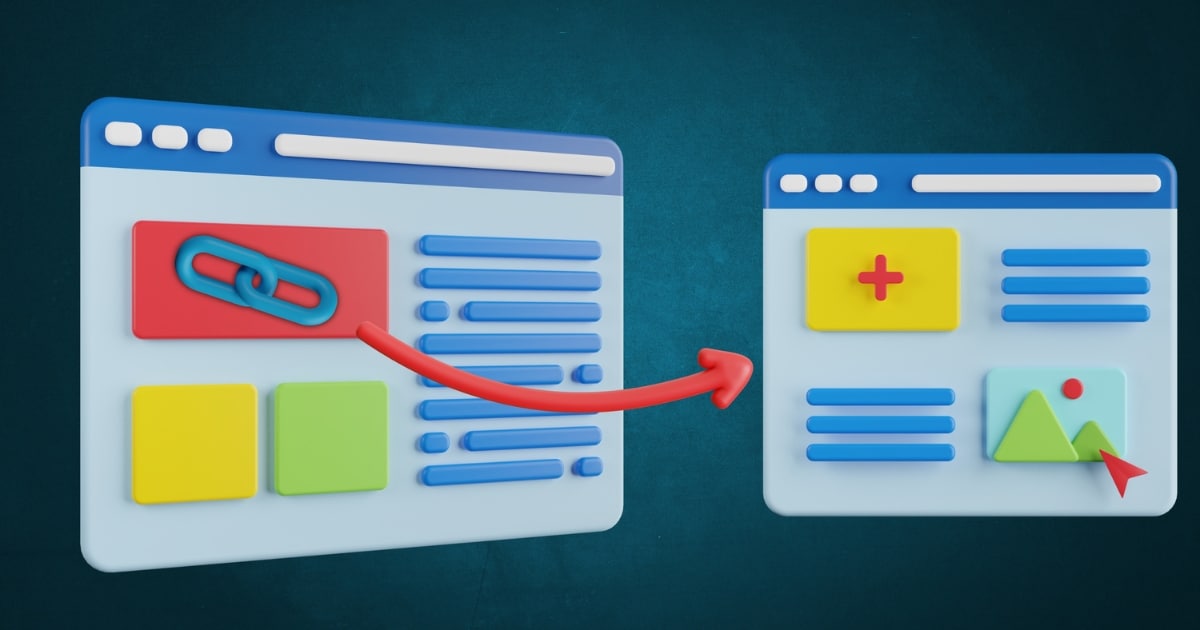
To answer “What is backlink structure?” in technical terms, every one has three core components: the anchor text (the clickable words), the source domain (the site providing the link), and the destination URL (where the link points). Anchor text tells search engines what the linked page is about. When a reputable industry blog links to your service page using relevant anchor text, that signal carries weight. When a random directory uses generic text like “click here,” the signal weakens.
The distinction between dofollow vs nofollow links shapes how link equity flows across the web. Dofollow links pass authority from the source site to yours, directly influencing your rankings. Nofollow links include a tag that tells search engines not to pass authority, but they still drive referral traffic and brand visibility. A natural profile includes both types — an all-dofollow pattern can look manipulative. Search engines evaluate the ratio, the sources, and the overall context when determining how much trust to assign your domain.
Understanding Backlink Types and What Makes Them Valuable
Understanding the types of backlinks in SEO helps you distinguish between links that build authority and those that waste resources or invite penalties. Not all backlinks carry equal weight. Natural editorial links — earned when a journalist, blogger, or industry expert references your content without prompting — represent the gold standard. Manually built links, such as those from guest posts or partnership pages, require outreach but still offer strong value when placed on relevant, authoritative sites. Self-created links, like forum signatures or blog comment links, carry minimal weight and can harm your profile if overused.
Several backlink quality factors determine whether a link helps or harms your rankings. Domain authority measures the overall strength of the linking site. A link from a major news outlet or an established industry publication carries far more weight than one from a newly registered blog. Relevance matters equally — industry-aligned links signal topical authority, while unrelated links raise red flags. Placement within the content also plays a role. Links embedded naturally in the body of an article outperform those buried in footers or sidebars.
Types of Backlinks in SEO and What Each One Is Worth
- Editorial links: Earned organically when your content is cited as a credible source. No outreach required.
- Guest post links: Placed within contributed articles on relevant industry blogs. Quality varies by host authority.
- Directory links: Listings in niche or local business directories. Valuable only when reputable and niche-specific.
- Forum and comment links: Often nofollow and low-value. Community value only.
- Toxic or spammy links: Links from link farms, PBNs, or irrelevant sites with manipulative intent. Trigger penalties; require disavowal.
- Broken link replacements: Earned by identifying dead links on authoritative sites and offering your content as a replacement. High effort, high reward.
Backlink Quality Factors That Determine Ranking Impact
| Quality Factor | What It Measures | Why It Matters |
|---|---|---|
| Domain Authority | Overall strength and trustworthiness of the linking site | Higher authority domains pass more ranking power |
| Topical Relevance | How closely the linking site’s content aligns with your niche | Relevant links signal expertise and context to search engines |
| Link Placement | Where the link appears on the page (body vs. footer) | Editorial placement within content carries more weight |
| Anchor Text | The clickable words used in the hyperlink | Descriptive anchors help search engines understand page topics |
What Your Marketing Agency Should Tell You About Backlinks (But Often Doesn’t)
Many agencies promise fast results without explaining “What is backlink quality?” — they push aggressive tactics on businesses that are new to link-building strategies — beginners who don’t yet know the right questions to ask. Private blog networks (PBNs) — clusters of low-quality sites created solely to manipulate rankings — represent one of the most common shortcuts. These networks may deliver a temporary ranking boost, but Google’s algorithms are designed to detect and penalize such schemes. If an agency pitches guaranteed page-one rankings in 30 days, ask where the links will come from.
Transparent reporting should include the source URL, domain authority, anchor text, and placement details for every backlink acquired. You should be able to verify each link yourself and understand why it was pursued. Agencies that provide vague summaries like “50 backlinks built this month” without specifics are hiding something. Manipulative tactics like buying links in bulk or using automated software to spam comments and forums may inflate numbers on a report, but they erode trust with search engines and put your business at risk. Penalties can result in ranking losses that take months or years to recover from, even after the toxic backlinks explained in your disavow file are processed. Ask upfront: How do you vet opportunities? What happens if a source is penalized? How do you monitor for toxicity? Transparent agencies welcome these questions; those that deflect are waving red flags.
How to Monitor and Audit Your Backlink Profile
Knowing how to check backlinks gives you visibility into what’s working. Google Search Console offers a free starting point. The ‘Links’ report shows linking sites, top-linked pages, and anchor text. This tool provides a baseline view. For deeper analysis, paid platforms like Ahrefs, SEMrush, and Moz offer comprehensive backlink databases, competitor comparisons, and toxicity scores that flag potentially harmful links.
| Tool | Best For | Key Features |
|---|---|---|
| Google Search Console | Free baseline monitoring | Top linking sites, anchor text overview, internal link data |
| Ahrefs | Comprehensive backlink analysis | Largest backlink index, historical data, competitor research |
| SEMrush | All-in-one SEO and PPC platform | Backlink audit tool, toxicity scores, gap analysis |
| Moz Link Explorer | Domain authority tracking | Spam score, link intersect, anchor text distribution |
Ethical Link Building: What Sustainable Growth Looks Like
Learning how to build backlinks the right way starts with creating content that genuinely serves your audience. In-depth guides, original research, case studies, and tools that solve real problems naturally attract links. This approach requires patience and investment, but it builds authority that compounds over time. Broken link building — identifying dead links on authoritative sites and offering your content as a replacement — requires research but yields strong results. Local businesses benefit from citations in niche directories, chamber of commerce listings, and partnerships with complementary service providers. Every tactic should pass one test: Would this link exist without search engines?
Building Links That Grow Your Business with BloomHouse Marketing
At BloomHouse Marketing, we approach link building as a long-term investment in your brand’s credibility and visibility. We vet every link opportunity against strict criteria: Does the site serve your target audience? Does the content align with your expertise? Will this link drive qualified traffic, not just pass authority?
Transparency defines every client relationship. We monitor your profile continuously, flagging toxic links and adjusting strategy based on performance data. Our team stays current on algorithm updates and industry best practices. Ready to build a strategy that aligns with your growth and protects your reputation? Schedule a consultation.
FAQs
These are the most common questions business owners ask when learning how backlinks work and how to evaluate link-building strategies.
1. How do I check my website’s backlinks?
Google Search Console provides a free starting point under the “Links” section, showing top linking sites and anchor text. For more detailed analysis, paid tools like Ahrefs, SEMrush, and Moz offer comprehensive backlink databases with filtering, competitor comparisons, and toxicity scoring.
2. How many backlinks do I need to rank?
There’s no magic number — quality matters far more than quantity. A handful of authoritative, relevant links can outperform hundreds of low-quality ones. Competitive analysis reveals your niche baseline, but prioritize links that drive real value over arbitrary targets.
3. What’s the difference between dofollow and nofollow backlinks?
Dofollow links pass authority from the source site to yours, directly influencing rankings. Nofollow links include a tag that tells search engines not to pass authority, but they still drive referral traffic and brand awareness. A natural profile includes both types in a balanced ratio.
4. Can bad backlinks hurt my website?
Yes — toxic backlinks from spam sites, link farms, or PBNs can trigger Google penalties that drop your rankings or remove your site from search results entirely. Regular audits help you identify harmful links early, and the disavow tool in Google Search Console allows you to tell Google which links to ignore.
5. How long does it take to see results from link building?
Most businesses see measurable ranking improvements within three to six months of consistent, ethical link building. Timeline depends on starting authority, competition, and niche dynamics. Sustainable strategies prioritize long-term growth over quick wins that risk penalties, especially when you understand why backlinks matter for ranking.